
Macro
The recent Investment Committee meeting at MPC Markets provided an overview of the current macroeconomic environment and its implications for investment strategies. The discussion began with a focus on the Reserve Bank of Australia’s (RBA) decision to cut interest rates by 25 basis points, which was swiftly passed on by banks. This move was described as a “hawkish cut,” suggesting that the RBA is cautious about further reductions. The decision was influenced by the upcoming Australian election, as well as economic pressures such as recent cyclones.
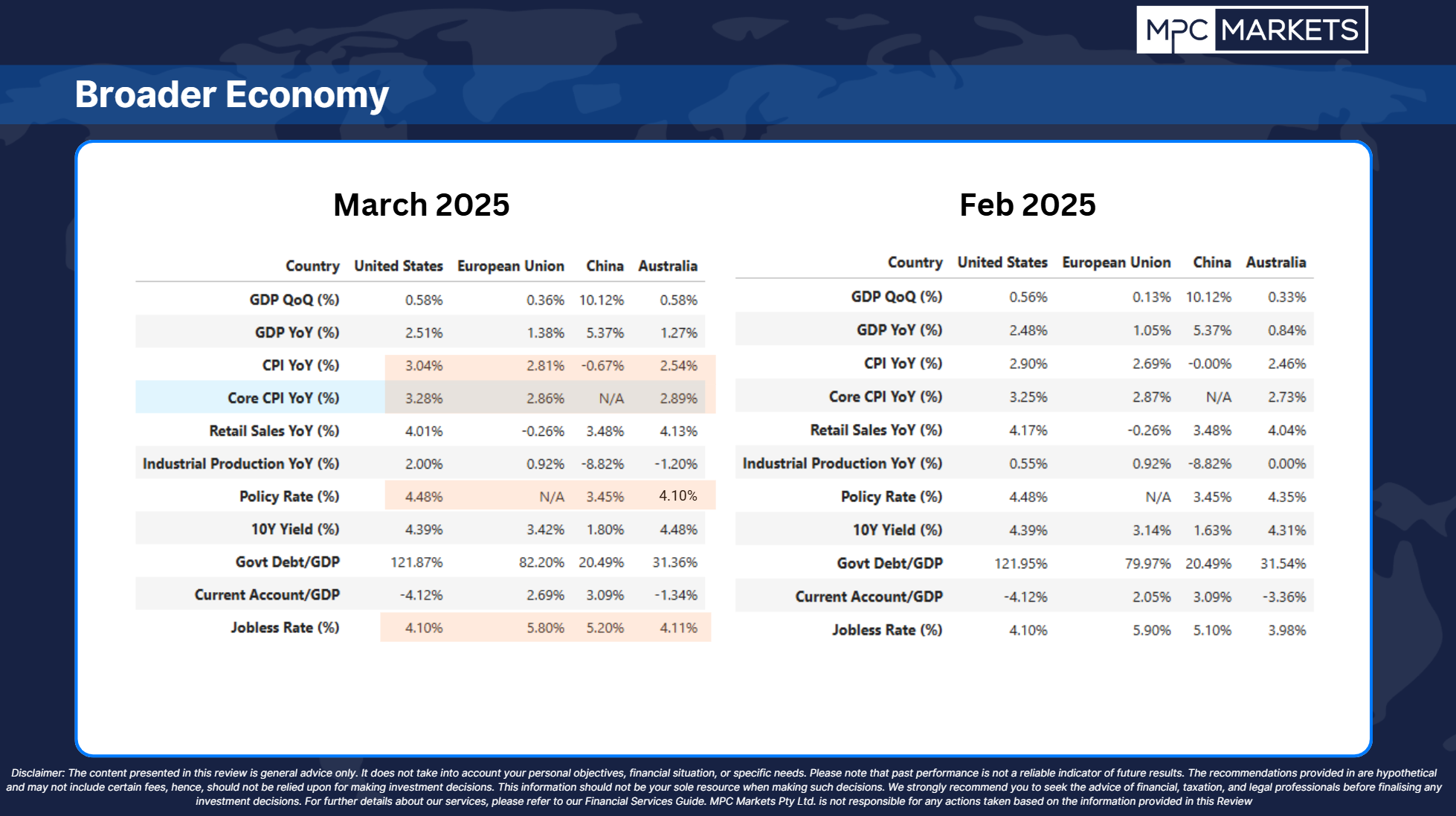
Economic Environment
- Australia: The RBA’s rate cut was seen as a strategic move before the election, as it will likely be forgotten by the time the election occurs. Despite an increase in unemployment from 4% to 4.1%, job creation remains robust, with over 40,000 jobs added monthly, significantly above the 10-year average. This suggests that higher interest rates have not significantly impacted the economy.
- Europe: Economic indicators are concerning, with low GDP growth, CPI, and retail sales, along with poor industrial production. This contrasts with more cautious stances from central banks like the Federal Reserve in the U.S.
- U.S.: The Federal Reserve is cautious due to potential short-term inflationary effects from Trump’s policies. Consumer numbers and leading indicators are softening, but there is little discussion about rate changes until political stability improves.
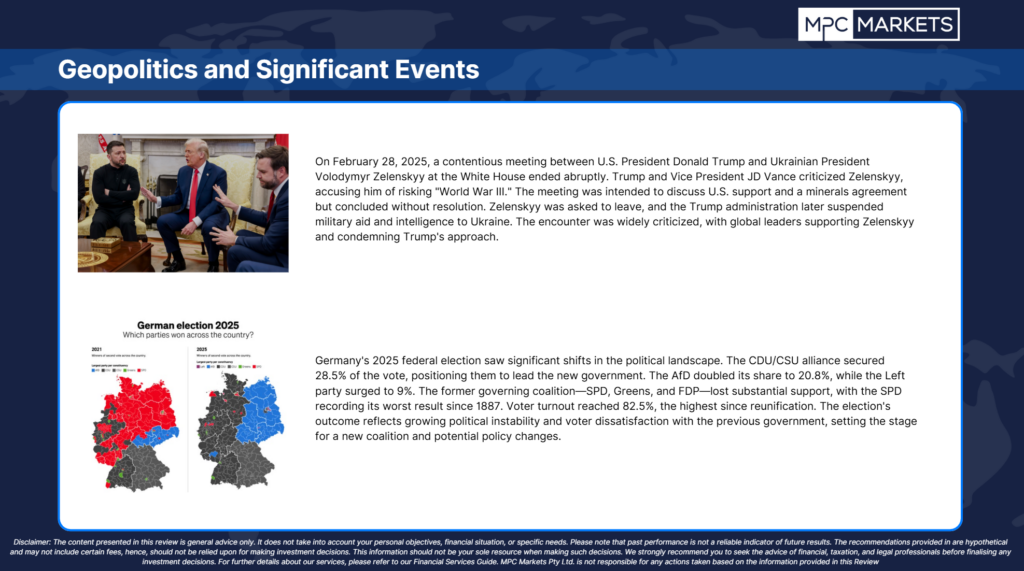
Geopolitical Factors
Geopolitics, particularly involving Trump, have been a significant focus. The U.S. has cut funding to Ukraine, and there are efforts to negotiate mineral rights, reflecting a broader power struggle. Europe is increasingly left to manage its own defenses, marking a shift in global dynamics. The recent German election results were centrist, avoiding a far-right victory, which had been a concern.
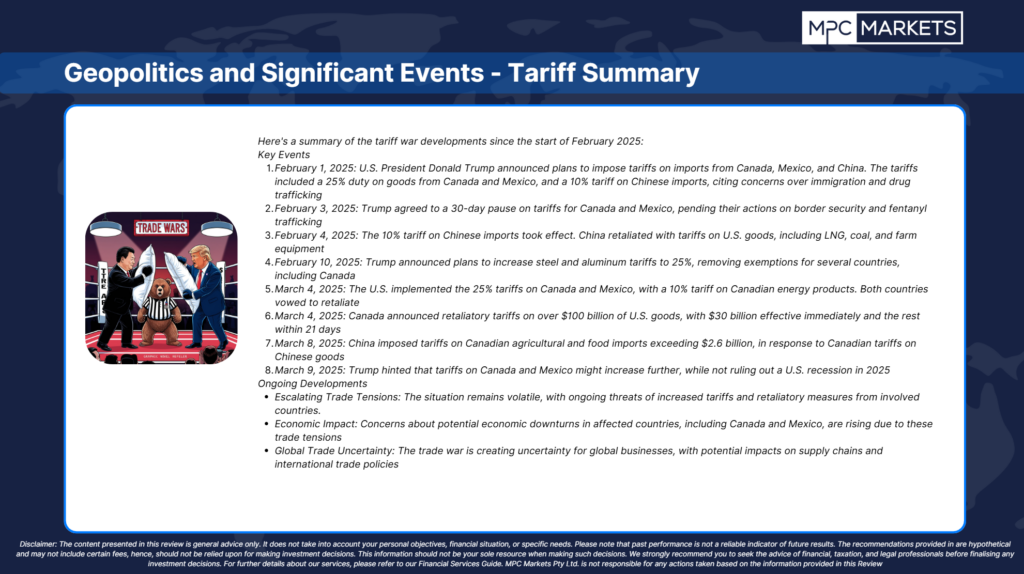
Market Trends
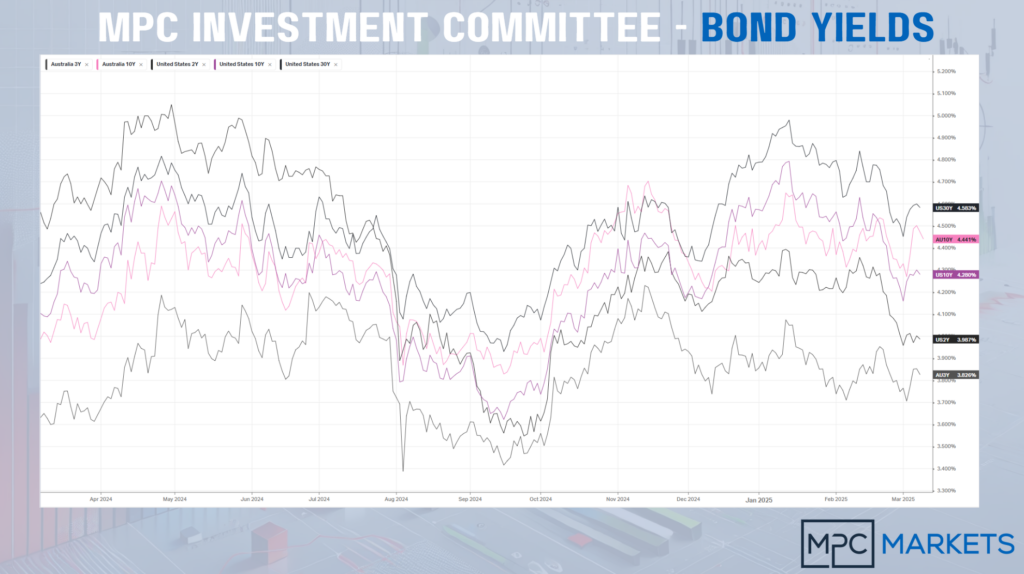
- Bond Yields: Despite the RBA’s rate cut, bond yields have increased, which is problematic for banks as their borrowing costs rise while they lower client rates, squeezing their interest margins.
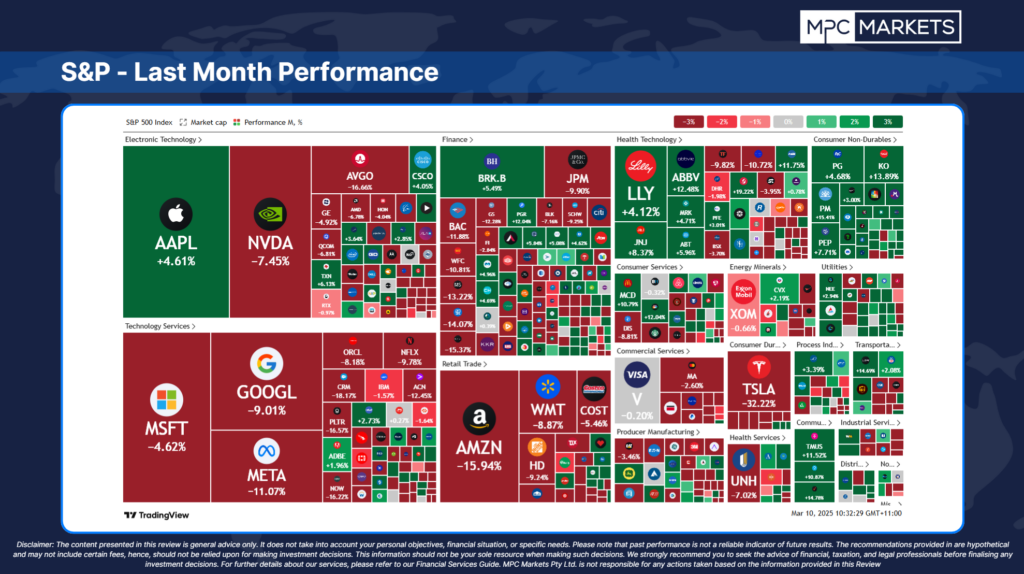
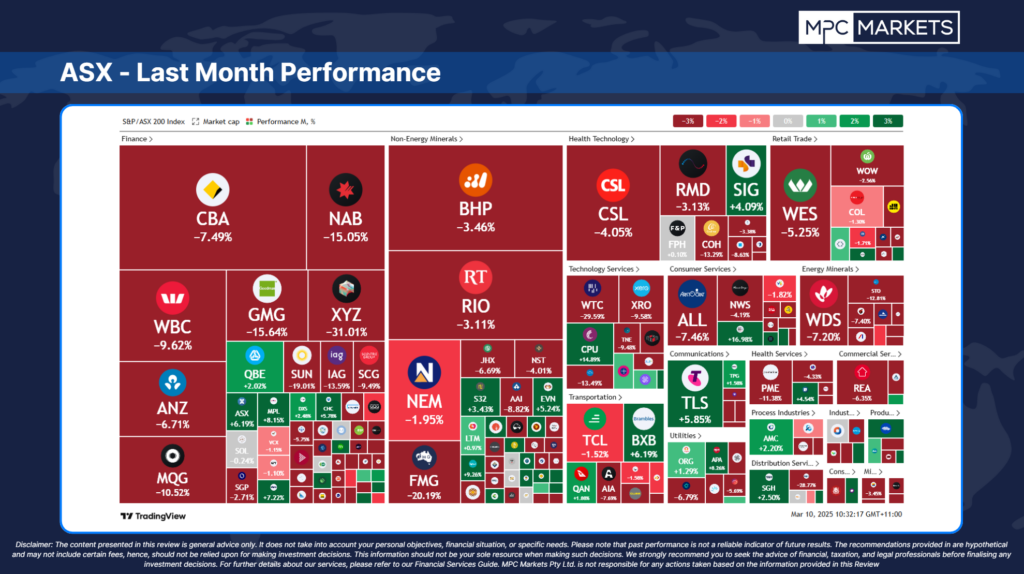
- Sector Performance: In the U.S., most sectors have declined except for healthcare. In Australia, earnings season has seen mixed results, with banks recovering, while companies like WiseTech and Technology One have experienced significant declines.
- Consumer Sentiment: Consumer discretionary sectors are weakening, and even traditionally stable retailers like Costco are seeing sales pullbacks, indicating early warning signs of consumer fatigue.
Investment Strategy
The committee emphasized the importance of patience and maintaining a cash buffer. They noted that having a 15% cash allocation helped mitigate losses during the recent market correction. The strategy involves reallocating funds to core investments to avoid underperforming the index. High conviction picks will be reviewed extensively, as many were in sell zones and have justified their declines.
In summary, the current economic and geopolitical landscape presents challenges for investors. The RBA’s cautious stance, combined with global economic uncertainties and geopolitical tensions, suggests a need for cautious investment strategies. Maintaining cash reserves and carefully selecting core investments are key recommendations from the committee.
Disclaimer: The recommendation given is general advice only. It does not take into account your personal objectives, financial situation, or specific needs. This information should not be your sole resource when making such decisions. We strongly recommend you to seek the advice of financial, taxation, and legal professionals before finalising any investment decisions.